

Classic table games return – strategy and patience collide

Classic Table Games Make a Comeback
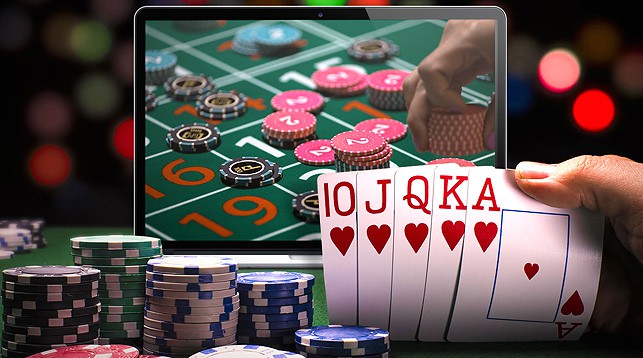
Sometimes, the old rhythms of casino life return in cycles. Lately, that rhythm has been the steady shuffle of cards and the smooth roll of dice. Classic table games—blackjack, roulette, baccarat—are reclaiming their space both in physical and no registration casino platforms. People seem to crave that balance again: a quiet rivalry between skill and luck, a calm tension that the bright chaos of slot reels can’t always replicate. Maybe nostalgia plays a role, or maybe the focus on strategy feels grounding in a world increasingly automated.
I’ve noticed, for instance, how players who first came for the flashy slots stay longer once they encounter a digital blackjack table. The pacing, though slower, draws them in differently. It’s elegant in a way—like chess, but with stakes that change with every turn of the card.
Strategy and Patience—Why They Still Matter
Every casino veteran will tell you that these games test not just your bankroll, but your temperament. Winning at a roulette table or staying afloat at poker doesn’t rely only on chance. It takes a strange blend of observation, timing, and yes, patience. The best players aren’t always those who win big—they’re those who lose slowly, who know when not to act.
Let’s compare some of these traditional favourites in simple terms:
| Game | Primary Skill | Pace |
|---|---|---|
| Blackjack | Decision-making | Moderate |
| Roulette | Probability awareness | Slow to medium |
| Poker | Psychological play | Variable |
It’s interesting how patience becomes a kind of invisible currency in table games. Unlike the rapid-fire slots, waiting sometimes yields the biggest advantage. People forget this quickly when adrenaline mixes with competition. But strategy, slow as it feels, is what keeps these games alive decade after decade.
The Online Twist: Digital Dice and Virtual Cards
Now consider how online casinos handle this. The physical limits are gone—no need to wait for a seat or shuffle chips. Everything happens instantly, yet the core emotions still linger. You log in, perhaps test the demo mode, and slowly that same anticipation builds. The screen turns into a ritual, especially when you know a bit about odds and timing.
Many modern platforms have adapted the feel of these games for the virtual environment:
- Live dealer tools stream real tables in high definition, preserving the human element.
- Interactive chat windows add subtle tension, making each round engaging.
- Side bets and progressive jackpots sneak in new flavors of risk.
Each platform differs slightly in atmosphere, yet nearly all attempt to balance instant gratification with authentic pacing. Some even replicate the random imperfections of shuffling cards for realism. That minor unpredictability makes players trust the system more—though ironically, they are algorithms imitating flaw.
Bonuses and Payments That Keep Players Hooked
Bonuses may sound secondary to strategy, but they shape a player’s approach. When you know your bankroll is partly built on promotions, your risk tolerance changes dramatically. Some players chase bonuses the way others chase hot streaks.
Here’s a brief comparison of common offers you’ll find across major gambling platforms:
| Bonus Type | Typical Value | Wagering Requirement |
|---|---|---|
| Welcome Bonus | 100% up to $500 | 20–35x |
| Reload Bonus | 50% up to $300 | 20–40x |
| Cashback Offer | Up to 10% | None-direct |
Deposits and withdrawals, however, tell the real story of reliability. Some casinos shine brightly until you try to cash out. Delays, identity checks, conversion fees—they all add friction that no welcome bonus can cover. The right platform keeps payment systems transparent. Bank cards, e-wallets, and even crypto options should flow naturally for a true sense of control.
Player Experience and Personal Touch
For me, good online gambling doesn’t come down only to luck or graphics—it’s the feeling of engagement. When the platform feels responsive, when the animations transition smoothly from one hand to the next, something subtle happens: the player relaxes. They stop thinking about winning every hand and start enjoying the rhythm itself.
From a usability angle, these are what define success for casino platforms nowadays:
- Stable connections with minimal lag during live games.
- Clear layouts that prevent mistaken bets.
- Quick support channels that resolve issues politely and quickly.
The fascinating thing is how this human factor has merged with algorithms. Artificial dealers, probability monitoring, even fairness verification systems create trust without destroying the mystery. Maybe that’s why this mix of technology and tradition thrives. It’s a paradox: machine-driven fairness gives people more freedom to believe in luck.
- Strategy attracts analytical players, those who stay longer.
- Patience ensures emotional balance, reducing impulsive play.
- Bonuses act as gentle motivation but can distort genuine strategy.
And I think that’s where the collision between patience and strategy truly happens—not on the table, but in the mind of the player balancing both at once.
Conclusion
In the end, this return to classic table games isn’t a rebellion against digital entertainment, it’s a rediscovery of rhythm. Whether in a live casino or an online room streamed to your screen, these games hold something timeless. They remind us that patience, strategy, and unpredictability belong together. Slots may dazzle, but table games whisper. Their pace allows space for thought, for learning, for quiet risk. And perhaps that’s what keeps people coming back—the soft collision of mind and chance, repeating across generations and screens alike.